

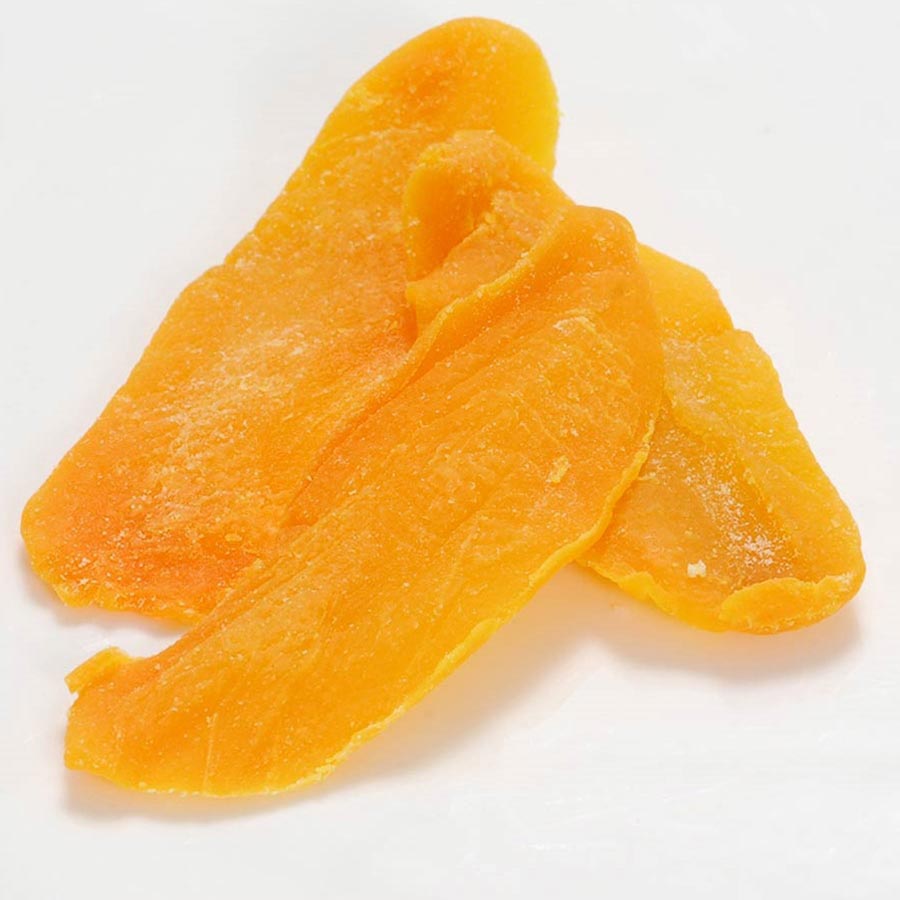
Dried mango is a tasty snack that brings a taste of the sunny regions directly to your snack bowl. Whether you're enjoying it as a quick snack during a chaotic day or using it as a tasty ingredient in your most-loved recipes, dried mango has a unique charm that keeps everyone coming back for more. Its exceptional sweetness and chewy texture make it a top choice among fruity snacks, and there are a multitude of reasons why this tropical delight deserves a dedicated place in your kitchen.
One of the intriguing aspects of dried mango is the process it undergoes at the dehydration facility. Here, mature mangoes are carefully selected and transformed into the tender, sun-kissed snacks we cherish. This diligent crafting not only preserves the fruity goodness but also locks in the nutrients, making dried mango a smart choice for a nutritious lifestyle. From its wholesome qualities to its delightful taste, let’s delve into the top reasons to become enamored with dried mango.
Health Benefits of Dried Mango
Dried mango is not just a tasty snack; it is also filled with important nutrients that add to a nutritious diet. One of the notable features of dried mango is its high vitamin content, particularly vitamin A and C vitamin. Vitamin A is crucial for keeping good sight and promoting good skin, while vitamin C plays an crucial role in enhancing the immune system and aiding in the absorption of iron. Adding dried mango in your diet can help support these important bodily functions.
In addition to vitamins, dried mango is a great source of dietary fiber. Fiber is important for digestive health, helping to avoid constipation and promoting regular bowel movements. Dried mango provides a easy way to increase your fiber intake, making it a great addition to your snacks or meals. This fiber content can also contribute to a feeling of satisfaction, which may help with controlling weight.
Moreover, dried mango contains various minerals, including potassium and magnesium, which are important for supporting healthy muscle and heart function. Potassium helps regulate blood pressure, while magnesium is engaged in over 300 biochemical reactions in the body. Eating dried mango can therefore be beneficial not only for satisfying your cravings but also for supporting overall well-being and well-being.
This Drying Process Explained
Dried mango starts its process at the source, typically in tropical regions where the fruit is cultivated abundantly. The procedure begins with selecting ripe, high-quality mangoes that are harvested at their peak sweetness and flavor. These mangoes are then washed well to remove any dirt or contaminants before being sliced into consistent pieces. Uniformity in slice size is key as it ensures uniform drying, which is vital for achieving the ideal texture and taste.
Once the mango slices are prepared, they are undergoing to the drying process. In a dried mango factory, different methods can be employed, including solar drying, air drying, and mechanical drying. Mechanical dryers are commonly used as they provide controlled conditions that can maintain optimal temperatures and humidity levels. This helps retain the fruit's vibrant color and nutrients while reducing the risk of spoilage or contamination. The drying process can take a few hours to a couple of days, depending on the method used and the moisture content of the mango slices.
After drying, the mango slices undergo a cooling and packaging stage to make certain they maintain their quality during storage and transport. vietnam dried mango manufacturer is crucial during this phase, where the dried mango is inspected for any irregularities in texture, flavor, and appearance. Once it meets the required standards, the dried mango is packaged in hygroscopic materials to protect it from humidity, guaranteeing that consumers receive a tasty and nutritious snack that retains the essence of fresh mango.
Green Practices in Dried Mango Production
The creation of dried mango is more being appreciated for its sustainability benefits. Many dried mango factories are embracing methods that minimize negative effects on the environment, such as acquiring mangoes from local farmers. By aiding community agriculture, these factories not only reduce the carbon footprint of transportation but also support the economic well-being of local farming communities. This local approach ensures that the mangoes are of higher quality and often produced without the extensive use of chemical pesticides, encouraging a healthier ecosystem.
Additionally, the drying process itself can be quite sustainable, especially when plants make use of solar-powered drying. This method takes advantage of the sunlight to dry mangoes, minimizing fossil fuel use and lowering carbon footprints. As the popularity of mango expands globally, many plants are focusing on alternative energy, ensuring that the method of production is consistent with sustainable practices and contributes to a cleaner environment.
Finally, many of today's mango processors are prioritizing reducing waste and recycling. The residues of mango processing, such as skins and seeds, can be turned into animal feed, organic compost, or even biofuels. This zero-waste philosophy appeals to environmentally conscious consumers and strengthens dried mango as a delicacy that not only pleases the taste buds but also promotes green farming practices and a healthier planet.